
Meta Description: Are smart glasses a HIPAA nightmare? Discover how AI wearables like Meta Ray-Bans can capture PHI in Lexington medical offices and how to protect your practice.
URL Slug: /ai-glasses-hipaa-compliance-risks-lexington-ky/
Featured Image ALT Text: A person wearing smart glasses in a Lexington medical waiting room looking toward a reception desk monitor.
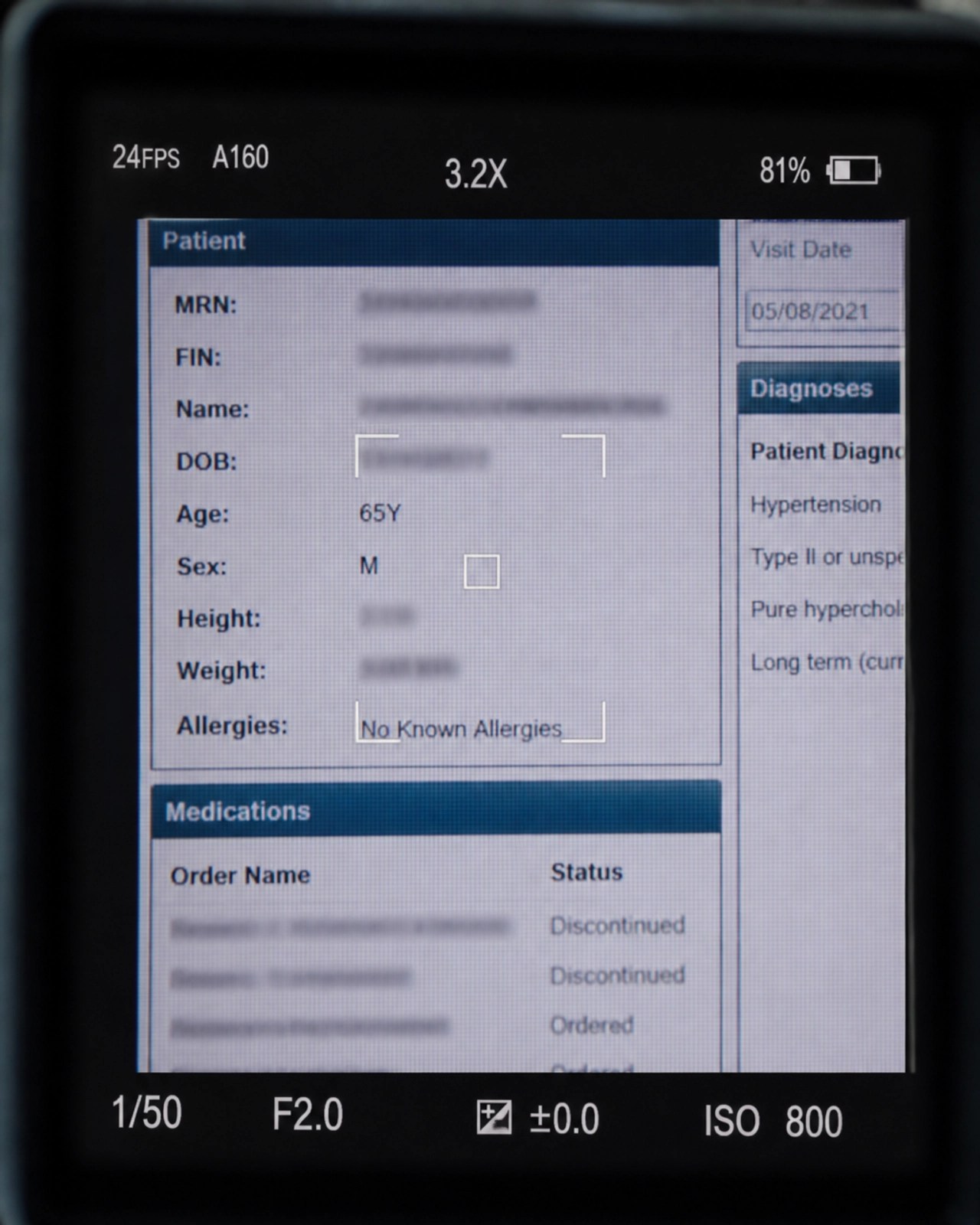
Imagine a typical Monday morning in your Lexington, KY medical practice. The waiting room is humming, your staff is checking in patients, and a local resident sits comfortably in a chair, wearing what look like standard, stylish Ray-Ban sunglasses. They aren't holding a phone. They aren't pointing a camera. Yet, with a simple voice command or a discreet tap, they are capturing high-resolution video of your reception desk, including the patient names and dates of birth visible on the monitor.
This isn’t science fiction; it’s the reality of AI-powered smart glasses. While these devices offer incredible convenience for users, they represent a massive, "invisible" threat to HIPAA compliance and patient privacy. In Central Kentucky, where patient trust is the backbone of any successful practice, the accidental capture of Protected Health Information (PHI) by a wearable device can lead to more than just an awkward conversation, it can lead to a devastating lawsuit.
At IT-Necessity, we believe in empowering our local providers in Georgetown, Frankfort, and Paris with the knowledge to stay ahead of tech trends before they become liabilities. Let’s dive into why these glasses are a game-changer for medical privacy and what you need to do to protect your office.
The Invisible Camera: How AI Glasses Work in a Clinical Setting
Smart glasses, like the popular Meta Ray-Bans, are designed to look exactly like high-end eyewear. They don’t have the bulky, futuristic look of older "Glass" models. This "incognito" factor is exactly why they are so risky in a medical environment.
These devices are equipped with 12MP cameras and sophisticated AI that allows users to "see what they see" and record it instantly. More importantly, newer updates allow for digital zooming and AI-assisted image analysis. Even if a patient is sitting 10 feet away from your nurse’s station, the high-resolution sensor can capture a clear enough image of a chart hanging on a door or an EHR screen for the AI to "read" and transcribe the text.
The Power of "Zoom and Capture"
When we talk about "zooming into a lawsuit," we are referring to the incredible detail these small sensors can now pick up.
- Reception Desks: A person standing at check-in can record the entire schedule on your screen.
- Hallway Charts: A patient walking to an exam room can "glance" at a chart on a door, and the glasses can capture the PHI.
- Computer Monitors: Most medical monitors in Lexington are high-resolution, making them easy targets for a camera that is effectively at eye level.
Intent vs. Accident: The "Oops" That Costs $50,000
One of the most dangerous aspects of HIPAA is that intent does not excuse a breach. A patient might not even realize they are recording, or a staff member might forget they have their smart glasses on while walking through the clinic.
However, under the Department of Health and Human Services (HHS) guidelines, if PHI is captured and sent to a third party without a Business Associate Agreement (BAA), a breach has occurred. Meta (the parent company of Facebook) does not sign BAAs for their consumer smart glasses.
This means the second that footage, containing a patient's face, name, or diagnosis, hits the Meta cloud for "AI processing" or storage, your practice is in violation of HIPAA. You have effectively disclosed PHI to a multi-billion dollar tech giant that has no legal obligation to protect it under healthcare laws.
Why Central Kentucky Practices Are at Higher Risk
In a community like Lexington or Georgetown, we value personal relationships. We often don't want to be the "bad guy" who tells a patient to take off their glasses. However, "corporate" IT mills often miss these hyper-local nuances. They might give you a generic policy, but they won't be there to walk your office and identify the specific "line of sight" risks from your waiting room to your workstations.
At IT-Necessity, we are real people who live and work in the same communities as you. We know that a breach in a small town like Paris, KY doesn't just stay in the office; it affects your reputation at the grocery store and the local high school football game.
The Real Cost of a Breach:
- Civil Penalties: Fines can range from $100 to $50,000 per violation.
- Reputational Damage: Word travels fast in Central Kentucky. A privacy scandal can drive patients to competitors overnight.
- Mandatory Audits: Once the Office for Civil Rights (OCR) is involved, every part of your IT infrastructure will be under a microscope.
Actionable Steps: Protecting Your Practice (The Checklist)
You don't need to ban technology, but you do need a strategy. Here is how we help our clients in Lexington and surrounding areas stay compliant:
1. Update Your "No Recording" Policy
Your current policy likely mentions cell phones and cameras. It must explicitly include wearable technology, smart glasses, and AI recording devices. Ensure this policy is updated in your patient intake forms.
2. Physical Signage is Mandatory
Don't wait for someone to start recording to say something. Post clear, professional signage in your waiting area and at the entrance to clinical zones.
- Tip: Use icons of glasses with a "no" symbol to make it instantly recognizable.
3. Screen Privacy Filters
If a patient can see it, a camera can capture it. We recommend high-quality privacy filters for every monitor that faces a public area. This makes the screen appear black from any angle other than directly in front of it.
4. Staff Training (Not Just a Video)
Your staff needs to know how to identify these glasses. They aren't just "cool shades." We provide security awareness training that helps your team in Georgetown or Frankfort have these difficult conversations with patients in a polite, professional, and firm manner.

IT-Necessity: Your "Boots on the Ground" Security Partner
Security isn't just about firewalls and antivirus; it’s about understanding how technology interacts with your physical space. Unlike "remote-only" IT companies, IT-Necessity provides hands-on support. We don't just send a ticket; we actually answer the phone and show up at your office.
We specialize in Healthcare IT for Lexington and Georgetown, focusing on the intersection of Cybersecurity and Physical Security. Whether it’s setting up CCTV surveillance that is compliant or hardening your network against the latest AI threats, we are your single point of accountability.
"IT-Necessity saved us during our last HIPAA audit. They didn't just give us a manual; they walked our office and found three places where screens were visible from the hallway. That's the kind of local attention we needed." , Office Manager, Lexington Medical Group
Frequently Asked Questions (FAQ)
Can I just ask patients to turn the glasses off?
While turning them off helps, it’s nearly impossible to verify. The safest policy for a medical office is to require that they be placed in a case or a pocket while in clinical areas.
Does the "Capture LED" protect us?
Meta glasses have a small light that turns on when recording. However, in a bright Kentucky office, that light is easily missed. Furthermore, the AI features (like asking the glasses "What am I looking at?") can capture data without the recording light staying on for long.
Is it a violation if a staff member wears them?
Yes, if they are in a PHI-rich environment. Because the glasses sync to a non-HIPAA-compliant cloud, a staff member wearing them is essentially a walking HIPAA violation waiting to happen.
How do I start a security assessment?
We offer a free assessment for businesses in Central Kentucky. We’ll look at your physical layout, your network, and your policies to ensure you’re protected from modern threats like AI wearables.
Conclusion: Don't Wait for the Breach
The technology landscape is shifting faster than ever. AI glasses are just the beginning of a new era of "always-on" data capture. For healthcare providers in Lexington, Georgetown, and across Central Kentucky, the time to act is now. Protect your patients, your reputation, and your practice by being proactive about wearable technology policies.
Ready to secure your practice? IT-Necessity is here to help with no-pressure consultations and predictable pricing. Let’s make sure your "peace of mind" isn't compromised by someone else’s "cool tech."
Contact us today at it-necessity.com or call our Georgetown office to speak with a real person.
Author: IT-Necessity Editorial Team
Categories: Healthcare IT, Cybersecurity, [Compliance]
Tags: #HIPAA #LexingtonKY #MedicalSecurity #AIGlasses #MetaRayBans #CentralKentucky #ManagedIT #GeorgetownKY
Leave a Reply