
When people talk about "the cloud," they usually make it sound like some magical, ethereal realm where data floats around in the atmosphere. It’s a great marketing term, but it’s also a bit of a lie. Your data, your patient records in Lexington, your inventory in Georgetown, and your municipal files in Frankfort, isn’t floating anywhere. It’s sitting on a physical hard drive, inside a physical server, inside a physical building.
That building is a data center. And just like the office space you rent or the house you live in, some data centers are built like Fort Knox, while others are essentially glorified sheds with a loud air conditioner.
For small and medium-sized businesses in Central Kentucky, understanding what’s happening "under the hood" of your cloud provider or co-location facility is vital. If that building loses power, you lose money. If that building has a security breach, you have a compliance nightmare. Today, we’re stripping away the "cloud" mystery and looking at what actually makes a data center "good" versus "bad," and what you should demand before you trust someone with your digital life.
The Cloud is Just a Building (Probably in Kentucky or Virginia)
The first thing to realize is that proximity matters. While the giant "hyperscalers" like Amazon (AWS) or Microsoft (Azure) have massive facilities in Northern Virginia or Ohio, many Lexington businesses use local data centers for "co-location", where you own the hardware but pay someone else to house, power, and cool it.
Whether your data is 10 miles away in Paris, KY or 500 miles away, the quality of that facility dictates your uptime. At IT-Necessity, we see business owners get lured in by "cheap" monthly hosting rates, only to find out the "data center" is actually just a basement with a residential-grade backup generator.
When we talk about "The Good," we’re looking for facilities that treat your data with the same level of intensity we use for our managed IT services in Georgetown.
Deciphering the "Tier" System (Without the Boring Jargon)
In the data center world, facilities are ranked from Tier I to Tier IV. Think of this like a hotel star rating, but instead of thread counts, we’re talking about how likely the power is to stay on.
- Tier I (The "Basic" Setup): This is essentially a server room. There is no redundancy. If a cooling pipe bursts or the power goes out, everything goes down. Most SMBs should avoid this for anything mission-critical.
- Tier II (Partial Redundancy): Better than Tier I, but still has a single point of failure for power and cooling. You might have a backup generator, but if the switch that turns the generator on fails, you’re still in the dark.
- Tier III (The Sweet Spot): This is what we recommend for most Central Kentucky businesses. A Tier III facility has "N+1" redundancy. That means if a piece of equipment fails, there is a backup ready to take its place immediately. You can maintain the facility without ever turning the servers off.
- Tier IV (The Nuclear Option): This is fully fault-tolerant. Every single component has a double backup. It’s expensive and usually only used by massive corporations or government agencies.
What to look for: Ask your provider for their Tier rating. If they can’t give you a straight answer or a certification, they are likely a Tier I or II masquerading as something better.
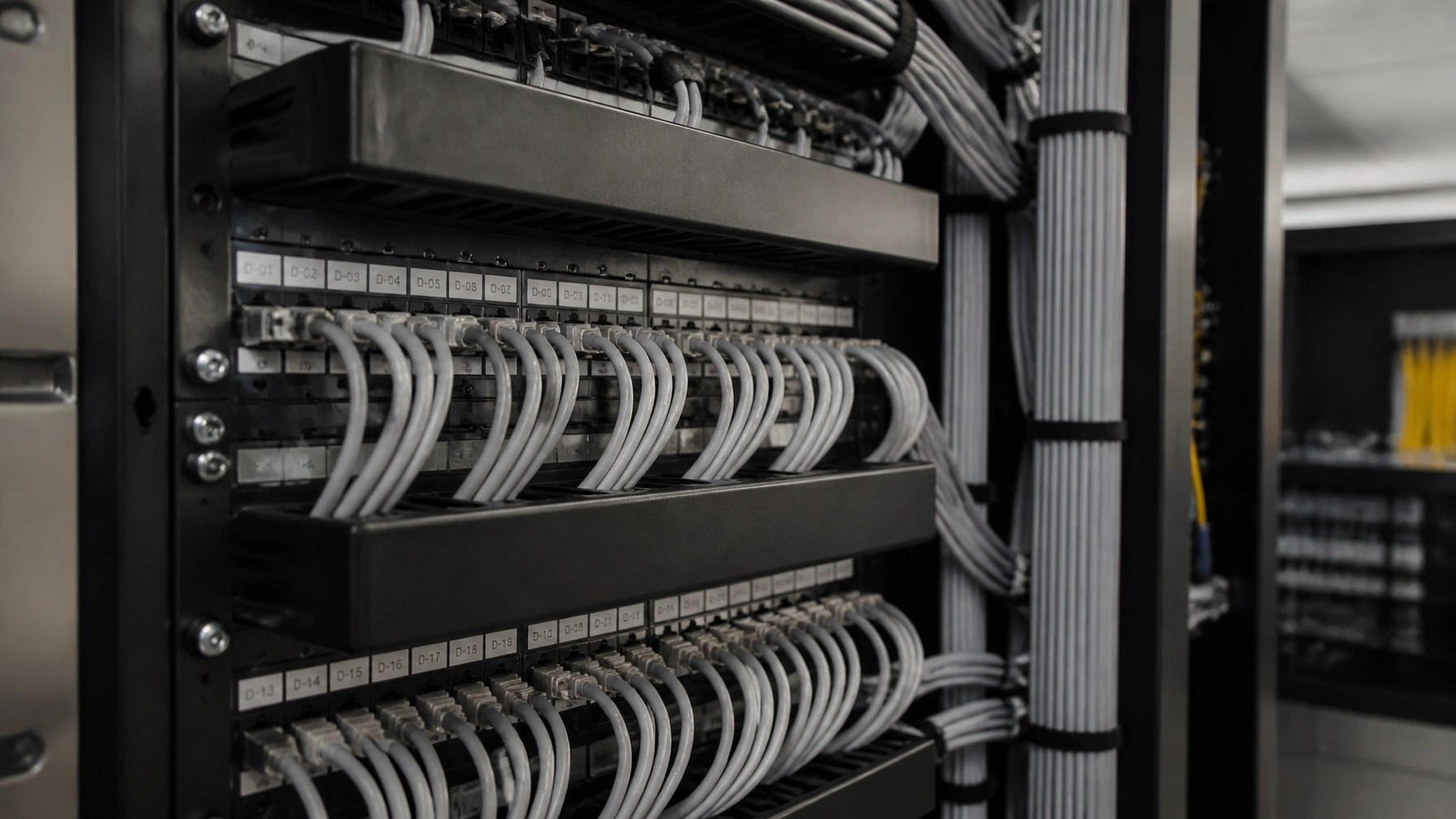
Physical Security: The "Concentric Circles" of Protection
It doesn't matter how many firewalls you have if someone can just walk into the building and pull the plug. A "good" data center uses what we call "concentric circles" of security.
- The Perimeter: It should have fencing, cameras, and ideally, restricted vehicle access.
- The Entry: You shouldn't be able to just walk in. We look for mantraps (two doors where the first must close before the second opens) and 24/7 on-site security personnel.
- The Data Hall: Once inside, you should need a secondary form of ID, like a biometric thumbprint or a specialized keycard, to get into the actual room where the servers live.
- The Rack: Even inside the room, the individual server cabinets should be locked.
If you visit a data center in Lexington or Frankfort and the front desk is empty or the server room door is propped open with a trash can, run the other way. We take physical security seriously at IT-Necessity, which is why we offer commercial security camera installations to help our clients protect their own local assets.
The Lifeblood: Power and Cooling
Servers are essentially very expensive space heaters. If the cooling fails, they will melt themselves within minutes. A "good" data center has redundant cooling loops.
Similarly, power is a non-negotiable. Look for:
- Dual Utility Feeds: Power coming from two different substations.
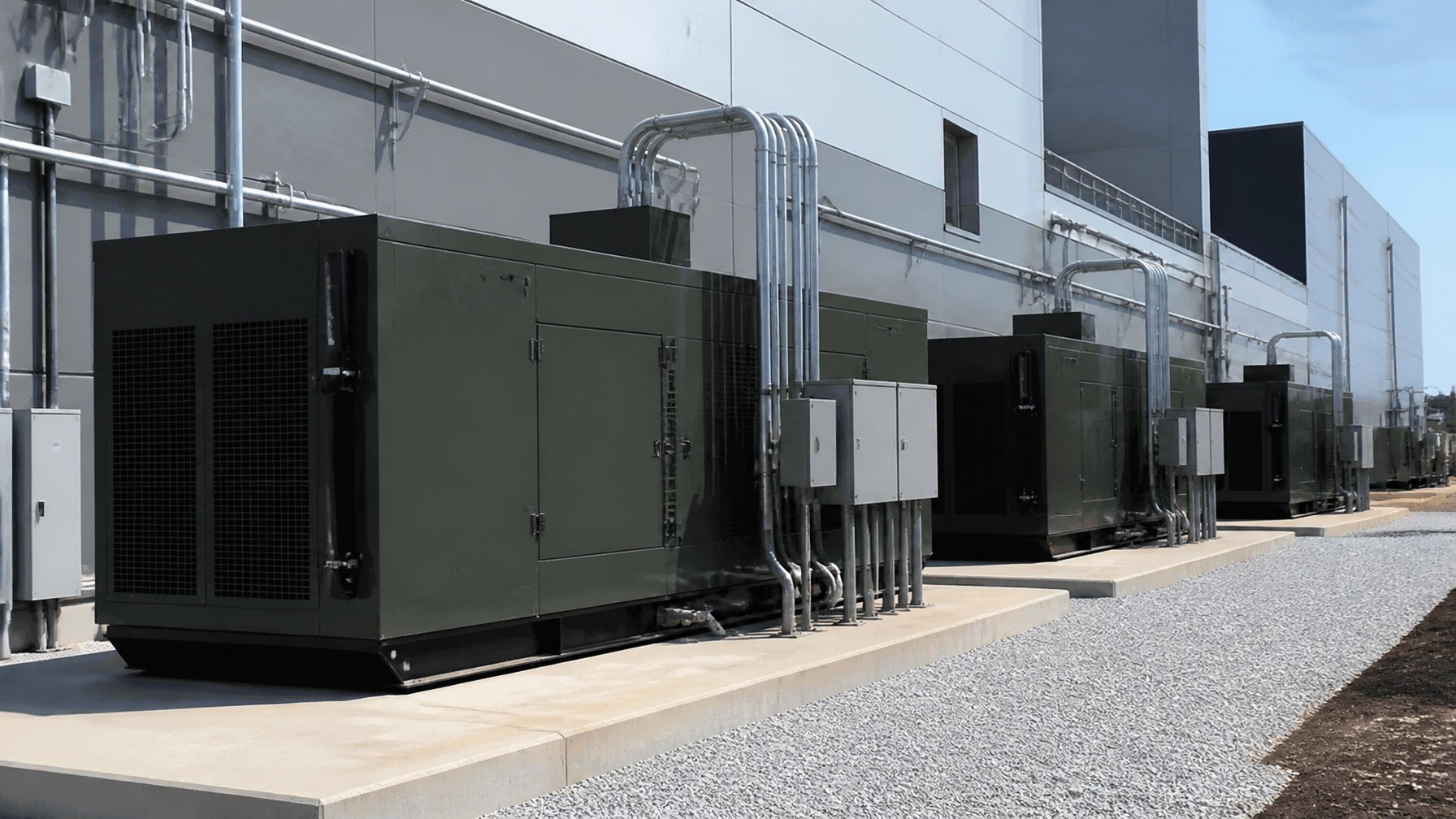
- Enterprise UPS: Not the little battery backup you have under your desk, but a room full of industrial batteries that can bridge the gap until the generators kick in.
- Fuel Contracts: A data center should have enough fuel on-site to run for 48-72 hours, and "priority" contracts with fuel delivery companies to keep them running during a long-term Kentucky ice storm or power outage.
The "Bad": Red Flags to Watch Out For
Not all data centers are created equal. Here are the warning signs that you’re dealing with a subpar facility:
- Lack of Documentation: They can't show you their latest SOC 2 audit or uptime reports.
- Single-Carrier Network: If the building only has one internet provider coming in, a single backhoe digging in the wrong spot in Lexington can take your entire business offline.
- Dirty Facilities: Dust is the enemy of electronics. If the facility looks like a messy garage, the internal components of your servers are likely suffering.
- "Corporate" Red Tape: If it takes three days and four "support tickets" just to get someone to reboot a server, they aren't a partner; they're a bottleneck.
Why IT-Necessity Approaches This Differently
At IT-Necessity, we’re a veteran-owned company based right here in Georgetown. We don’t hide behind ticket numbers or corporate scripts. When you ask us about data centers or cloud hosting, we give you the blunt truth because we know what's at stake for local businesses.
We believe in a security-first philosophy. Whether your data is in a world-class data center or on a server in your own office, we treat it with the same level of intensity. We provide the "boots-on-the-ground" accountability that giant, faceless cloud providers simply can't offer. If something goes wrong, you can call us, and a real person in Central Kentucky will answer the phone.
Actionable Checklist for Evaluating a Data Center
If you’re shopping for a place to put your data, take this list with you:
- Redundancy: Is it at least Tier III (N+1)?
- Connectivity: Do they have at least three different fiber providers entering the building?
- Security: Is there a 24/7 human presence and biometric access?
- Power: How many hours of fuel do they have on-site?
- Compliance: Do they have current SOC 2 Type II or HIPAA compliance certifications?
- Local Support: Can you get a technician on the phone in under 15 minutes?
Frequently Asked Questions
Is the "Cloud" safer than having a server in my office?
Generally, yes, if it’s a high-quality data center. A Tier III facility has better power redundancy and physical security than 99% of small office buildings in Lexington. However, "the cloud" is only as safe as your configuration (MFA, encryption, etc.).
What happens if the data center catches fire?
High-end facilities use "clean agent" fire suppression systems (like FM-200 or Novec 1230). These gases put out fires without using water, so your electronics aren't ruined by the "cure."
Do I really need Tier III?
If your business can't survive more than an hour of downtime, like a healthcare office in Georgetown or a municipal building in Frankfort, then yes, Tier III is the minimum standard you should accept.
Can IT-Necessity help me move my data?
Absolutely. We specialize in migrations, whether you're moving to a local co-location or a hybrid cloud environment. We handle the structured cabling and the digital migration so you don't have to worry about the heavy lifting.
Ready to stop guessing where your data lives?
Don't let "the cloud" be a mystery that costs you money. Whether you need a more secure physical environment or you're looking to upgrade your Managed IT Services in Lexington, we’re here to help.
No hidden fees. No-pressure consultation. Just real IT for real Kentucky businesses.
Get your Free Technology Assessment today and let’s make sure your data is in a building that’s as tough as your business.
Author: Jon Francioni, Owner of IT-Necessity
Categories: Managed IT, Cybersecurity, Data Centers
Tags: Lexington IT Support, Georgetown KY Data Security, Central Kentucky Managed MSP, Data Center Tiers, Cloud Security
Leave a Reply