Meta Description: Protect your Kentucky medical practice from HIPAA breaches caused by AI glasses. Learn how Meta glasses threaten PHI and patient trust in Central KY.
URL Slug: /unseen-camera-ai-glasses-hipaa-compliance-ky
In the bustling medical offices of Lexington and the growing clinics in Georgetown, technology is usually seen as a tool for efficiency. From Electronic Health Records (EHR) to automated scheduling, tech makes life easier. But a new wave of "wearable AI", specifically devices like Meta Ray-Ban smart glasses, is quietly introducing a massive vulnerability into the healthcare landscape.
Imagine a patient or a new staff member walking into your clinic wearing what looks like a standard pair of stylish frames. In reality, those glasses are equipped with high-definition cameras, microphones, and AI that can "see" what the wearer sees. With a subtle tap or a voice command, they can capture Protected Health Information (PHI) from across the room, names on a sign-in sheet, diagnoses on a computer screen, or even private conversations in a hallway.
At IT-Necessity, we aren’t just looking at the gadgets; we’re looking at the risk. For medical providers in Central Kentucky, the intersection of AI wearables and HIPAA compliance is a legal minefield that could lead to heavy fines and, more importantly, a total collapse of patient trust.
What Are AI Glasses, and Why Are They Different?
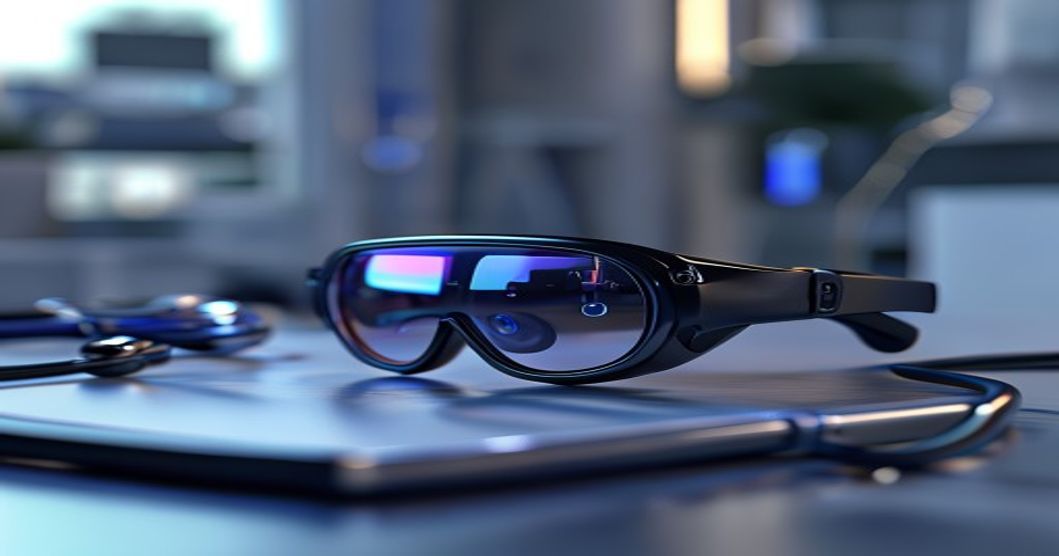
To the untrained eye, the latest generation of smart glasses looks like regular eyewear. Unlike the clunky "Google Glass" of a decade ago, today's AI wearables are sleek and inconspicuous. Devices like the Meta Ray-Ban glasses allow users to take photos, record 60-second videos, and even live-stream directly to social media platforms like Instagram and Facebook.
The "AI" component adds another layer. These glasses can analyze what the wearer is looking at, translate text in real-time, or identify objects. In a healthcare setting, this means the glasses aren't just recording pixels; they are potentially processing data that belongs to your patients.
The Missing "Shutter" Signal
One of the most dangerous aspects of these devices is the lack of a clear, physical recording indicator. While many models have a tiny LED light that glows when recording, it is often missed in a brightly lit room or can be easily obscured with a small piece of tape. There is no "shutter click," no "red light" that screams recording, and no obvious screen like a smartphone has. For a patient sitting in an exam room in Frankfort or Paris, KY, they may have no idea their most private medical moments are being digitized.

The HIPAA Trap: Why Meta Isn't Your Friend
The biggest technical hurdle for any medical practice is the Business Associate Agreement (BAA). Under HIPAA, if a third-party service handles or stores PHI on your behalf, they must sign a BAA promising to protect that data.
Meta does not sign BAAs for its consumer AI glasses.
This is a critical distinction. When a staff member or a visitor records something on their Meta glasses, that data is typically synced to Meta’s cloud servers. Because Meta hasn't agreed to HIPAA's stringent security standards for these devices, any PHI that touches their ecosystem constitutes an unauthorized disclosure.
Furthermore, Meta’s privacy policies state that they may use data from these glasses to "improve their AI models." This means a recording of a patient's chart in a Georgetown clinic could, in theory, be used to train a global AI algorithm. For a healthcare provider, this isn't just a tech glitch; it's a massive compliance failure.
The Psychological Price: Losing Patient Trust
While the legal fines for a HIPAA breach are terrifying, the damage to your reputation in Central Kentucky can be permanent. Our local communities, from the horse farms of Bourbon County to the suburbs of Lexington, rely on a "handshake" level of trust. Patients expect their doctor's office to be a sanctuary.
If a patient notices a staff member wearing smart glasses, the seed of doubt is planted.
- "Are they recording me?"
- "Is my medical history being uploaded to Facebook?"
- "Why does my doctor need a camera on their face?"
Even if the glasses are powered off, the perception of a privacy breach is often enough to drive a patient to a competitor. In the age of online reviews, a single patient post complaining about "creepy glasses" in your waiting room can do more damage than any technical bug.
The Threat of "Incidental" PHI Capture
You might think, "My staff would never intentionally record a patient." But the risk with AI wearables is often incidental.
Consider these common scenarios in a Central Kentucky medical office:
- The Front Desk: A visitor wearing smart glasses stands at the counter while your receptionist is working on a computer. The glasses "see" the names and appointment times of every patient on the screen.
- The Hallway: A nurse wearing smart glasses for "hands-free" notes walks past a whiteboard containing a list of surgery patients. The glasses capture every name in high resolution.
- The Exam Room: A patient’s family member wears AI glasses during a consultation to "remember the doctor's instructions," unknowingly live-streaming the entire conversation to their social media followers.
In each of these cases, PHI has left your control. Because these devices can zoom in and capture text with incredible clarity, even a "quick glance" can result in a data breach.

How to Protect Your Practice: 5 Actionable Steps
Maintaining a secure environment in the age of wearables requires a proactive approach. Here is how IT-Necessity recommends securing your Lexington or Georgetown office:
1. Update Your Employee Handbook
Clearly define your policy on wearable technology. We recommend a "Zero-Wearable" policy in all clinical and PHI-accessible areas. This includes not just smart glasses, but also certain high-end smartwatches that have recording capabilities if they aren't managed by your IT department.
2. Physical Signage is Key
Place "No Recording" or "Device-Free Zone" signs in your waiting rooms and at your front desk. This sets the expectation for patients and visitors immediately. It also gives your staff a clear policy to point to if they need to ask a patient to remove their glasses.
3. Staff Training on "Spotting" Wearables
Most people don't know what Meta glasses look like. Train your staff to recognize the distinct frames and the small camera lenses in the corners of the glasses. Education is the first line of defense.
4. Implement Technical Safeguards
Ensure your computer screens are equipped with privacy filters so that a "glance" from a pair of smart glasses can't read the data on the monitor. At IT-Necessity, we specialize in healthcare IT security and can help implement these physical and digital layers.
5. Establish a Response Plan
If a staff member or patient is caught recording, you need a pre-set protocol. This should include identifying what was captured, determining if it left the device (e.g., via Wi-Fi), and consulting with your IT partner to assess the risk of a HIPAA breach.
Authority & Credibility: Why IT-Necessity?
We aren't a "ticket mill" or a giant corporate help desk based in another state. IT-Necessity is a veteran-owned, boots-on-the-ground MSP right here in Georgetown, Kentucky. We live in these communities and we serve the medical offices, dental clinics, and professional businesses that keep Central Kentucky healthy.
When you call us, you aren't talking to an AI bot; you're talking to a local expert who understands the unique pressures of Kentucky healthcare. Our "security-first" philosophy means we don't just fix your Wi-Fi; we harden your entire environment against modern threats like AI wearables and ransomware. Whether you need managed IT services in Georgetown or advanced CCTV security cameras in Lexington, we provide a single point of accountability for your technology.
Frequently Asked Questions (FAQ)
Is wearing Meta glasses in a doctor's office illegal?
Simply wearing them isn't "illegal," but recording PHI without authorization is a violation of HIPAA and potentially state wiretap laws. For a medical practice, allowing them in PHI areas is a major compliance risk that should be avoided.
Does Meta have a HIPAA-compliant version of their glasses?
As of today, no. Meta’s smart glasses are consumer-grade devices. They do not offer a BAA, which is a mandatory requirement for any technology that handles PHI in a healthcare setting.
How can I tell if someone is recording with AI glasses?
Most AI glasses have a small LED light on the frame that illuminates when recording. However, these are often small and can be covered up. The safest policy is to treat all smart glasses as active recording devices.
What should I do if a patient refuses to remove their smart glasses?
You have the right to enforce privacy policies in your private practice to protect other patients. If a patient refuses, you can offer them a private room where no other PHI is visible or, in extreme cases, reschedule the appointment until they can comply with your safety policies.
Can IT-Necessity help us write a technology policy for our clinic?
Yes! We work closely with our healthcare clients in Lexington and Frankfort to ensure their IT policies match the modern threat landscape. We can help you identify which devices pose the most risk and how to address them.
Secure Your Practice Today
Don't wait for a "wearable tech breach" to happen before you take action. The privacy of your patients and the reputation of your practice are too important to leave to chance.
If you are a medical or professional office in Lexington, Georgetown, Frankfort, or anywhere in Central Kentucky, let's talk about how to keep your data: and your patients: safe.
Contact IT-Necessity for a Free IT & Security Assessment
Author: Jon Francioni, Owner of IT-Necessity
Categories: Healthcare IT, Cybersecurity, HIPAA Compliance
Tags: Lexington KY IT Support, Georgetown KY Managed IT, HIPAA Breach Prevention, AI Glasses Privacy, Central Kentucky Healthcare Security
Leave a Reply